Safety on and around
the water
Auckland’s coastlines are great for boating and fishing, but they’re also home to critical parts of the electricity network. Its important to stay aware of overhead power lines when your on land and check the necessary marine maps for where cables are underwater.

Vector’s underwater and overhead power lines help keep the lights on across the region, including for island communities in the Hauraki Gulf. Here's how to enjoy your time on the water safely and avoid potentially dangerous and costly incidents.
Safety on the water
Check the charts and look out for markers
- Look for markers showing where cables enter and exit the water.
- Use marine charts NZ 5324 and NZ 533 to identify cable routes.
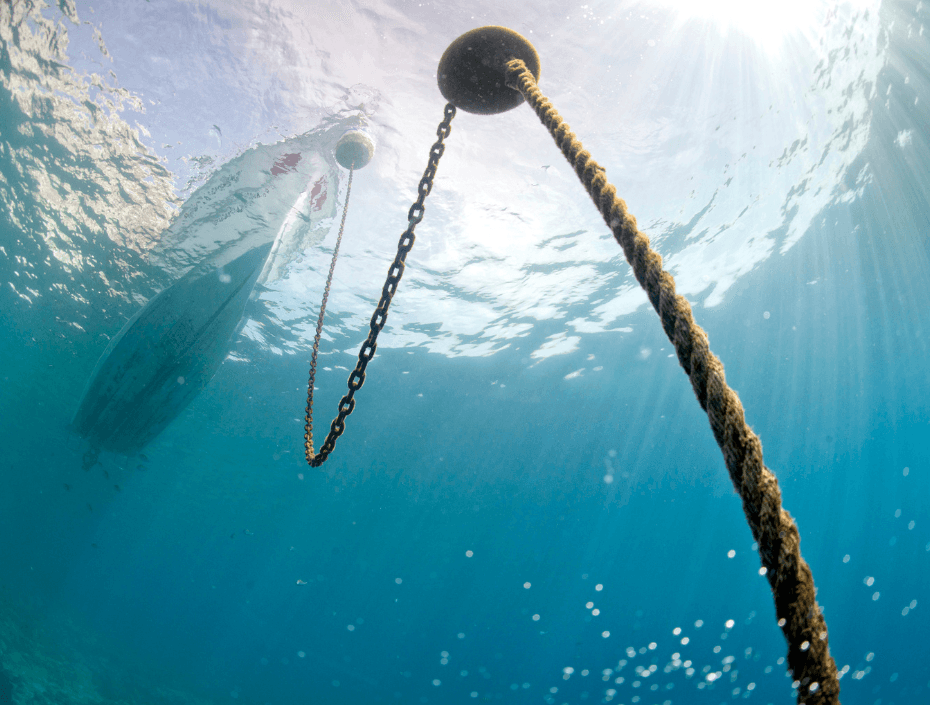
- Give underwater cables a wide berth when anchoring or fishing.
Avoid anchoring over underwater cables
- Anchoring over these cables is dangerous and prohibited.
- Damaging a cable can disrupt power to thousands of people.
- There can be significant penalties for wilfully damaging cables, and you may also be responsible for expensive repair costs.
- If your anchor or gear gets caught on a cable:
- Don’t try to free it by pulling or tugging.
- Note your exact location.
- Abandon the gear to avoid damage or injury.
- Call 0508 VECTOR (0508 832 867) with your position and details.
Safety out of the water
When towing or launching boats:
- Be aware of overhead power lines, especially near ramps and parking areas.
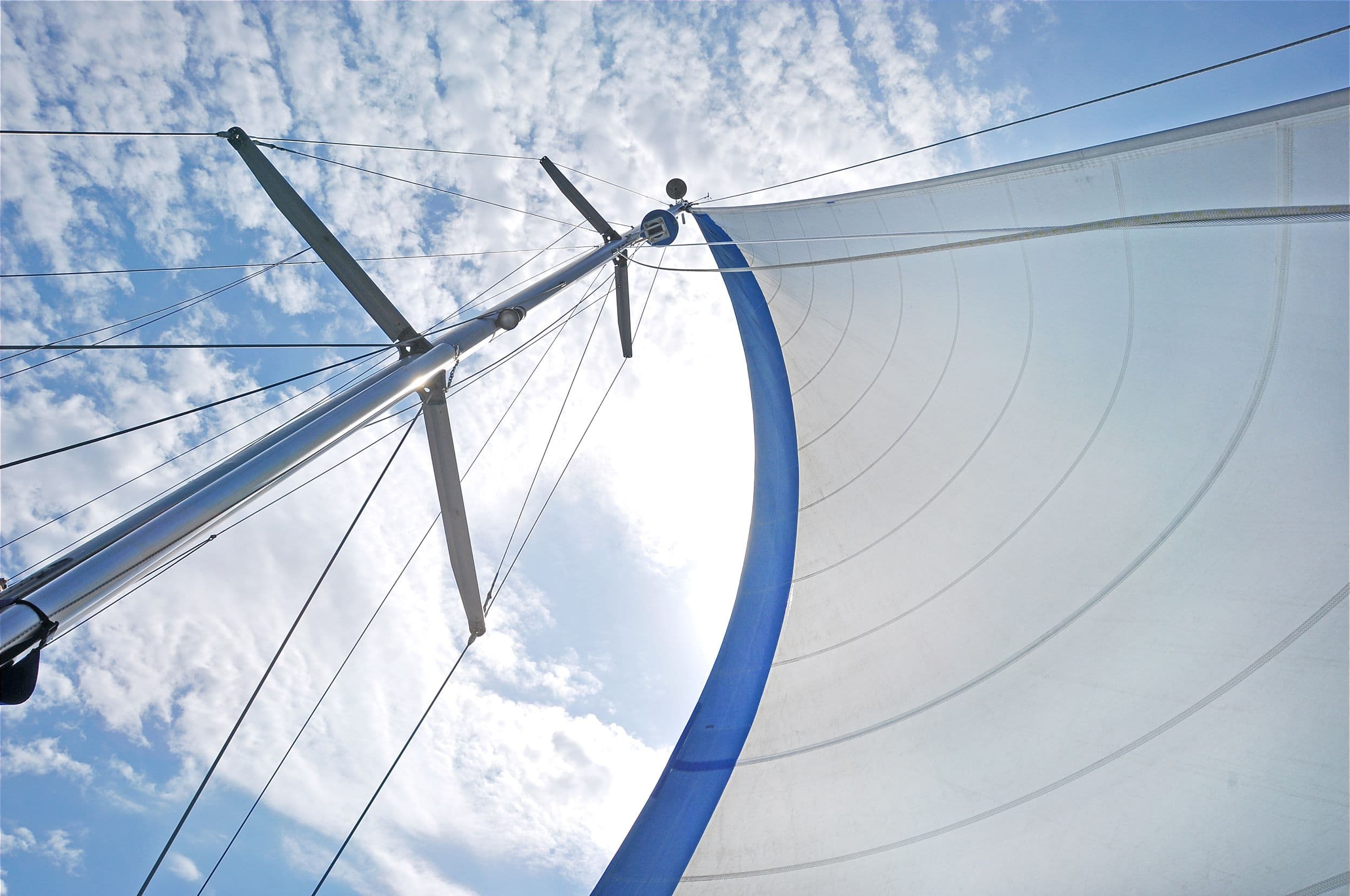
- Ensure masts or fishing poles are well clear of any nearby lines.
If power lines fall onto your boat or trailer:
- Stay inside the vehicle or boat, you’re safest there.
- Call 0508 VECTOR (0508 832 867) for help.
- Only exit if there’s immediate danger, like fire.
If you must exit:
- Jump clear without touching any metal surfaces.
- Land with both feet together - don’t touch the ground and boat at the same time.
- Shuffle or hop away until at least 10 metres clear.
In an electrocution emergency, don’t touch the individual until you’re certain the electricity source is off. Call 111 immediately.