Safety while doing DIY
Power up on safety. While electricity is essential to everyday life, it can also be dangerous if precautions aren’t taken. Whether you're working on your property, trimming trees, or setting up for a backyard celebration, these simple rules can help keep you and your whānau safe.
DIY rules to keep you safe
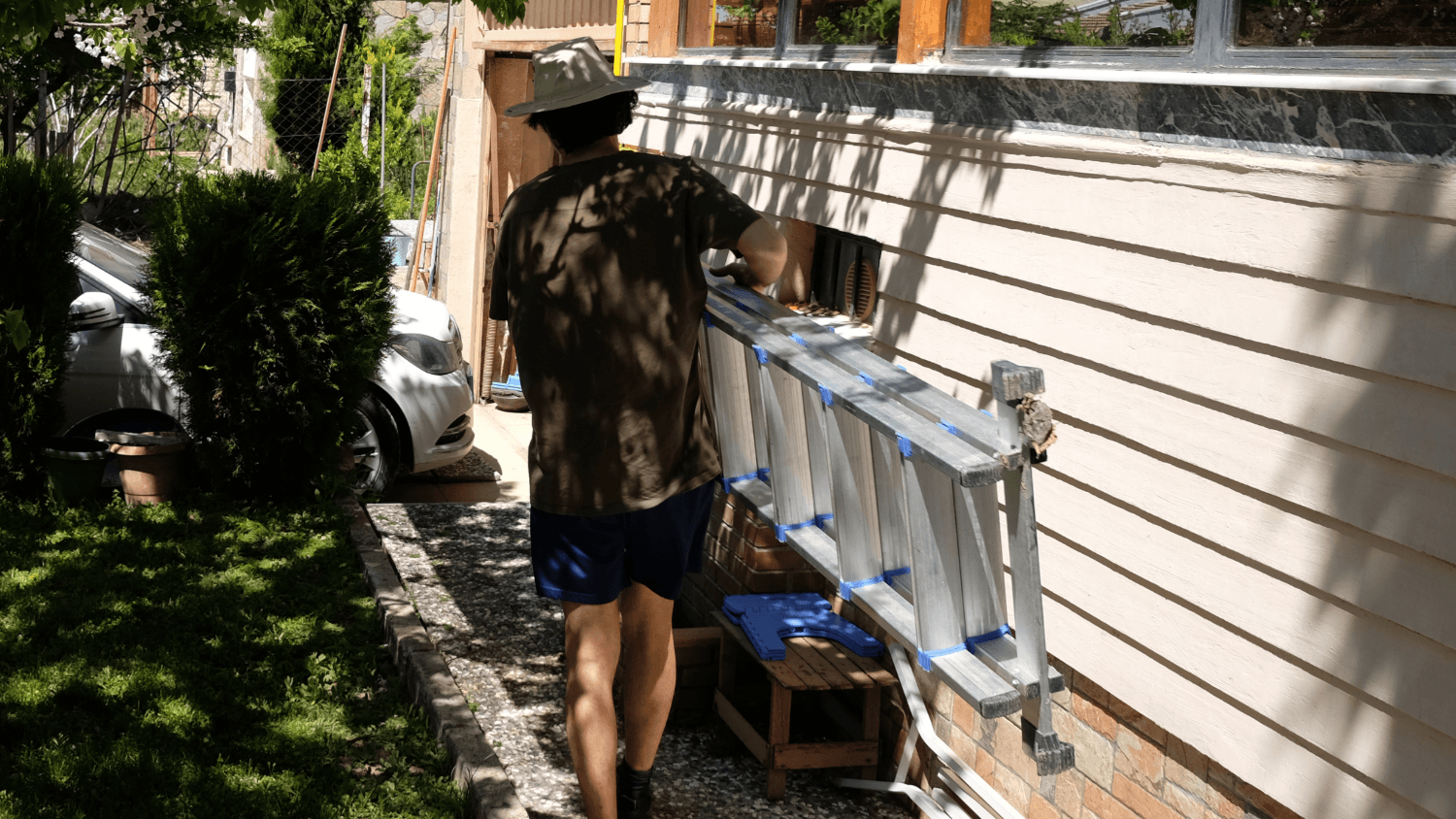
1. Look up
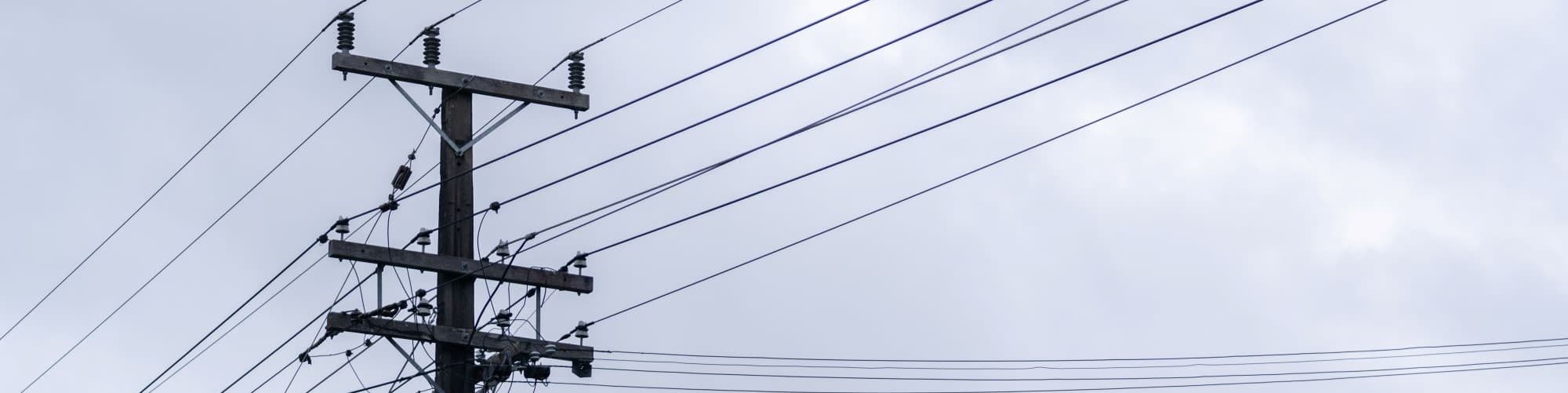
Doing DIY? Check up high. Electricity always seeks the fastest path to the ground, so don’t let it be you.
Before you work near overhead power lines:
- Always assume lines are live.
- Look up before carrying tall items like ladders or using machinery.
- If trimming trees, check if power lines run near or through them.
- If your tree is within 4 metres of a network power line, call us on 0508 VECTOR (0508 832 867). We’ll trim it safely—the first trim is free.
- Planning to install a tall structure like a flagpole or antenna?
- Ensure at least 7.5 metres clearance from network power lines.
- Working near your private service line?
- Call us to arrange a free temporary disconnection or get help finding a qualified contractor.
2. Look down
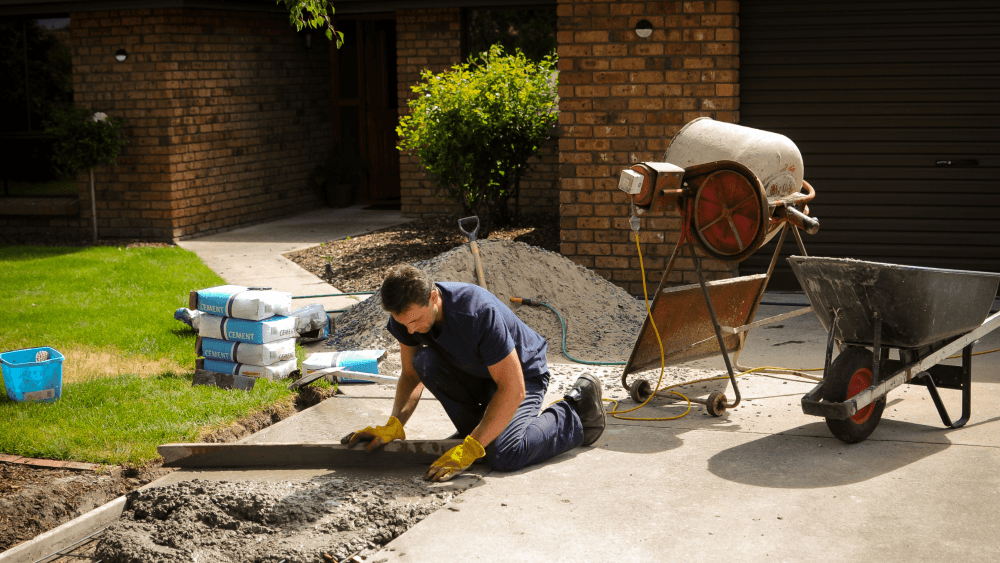
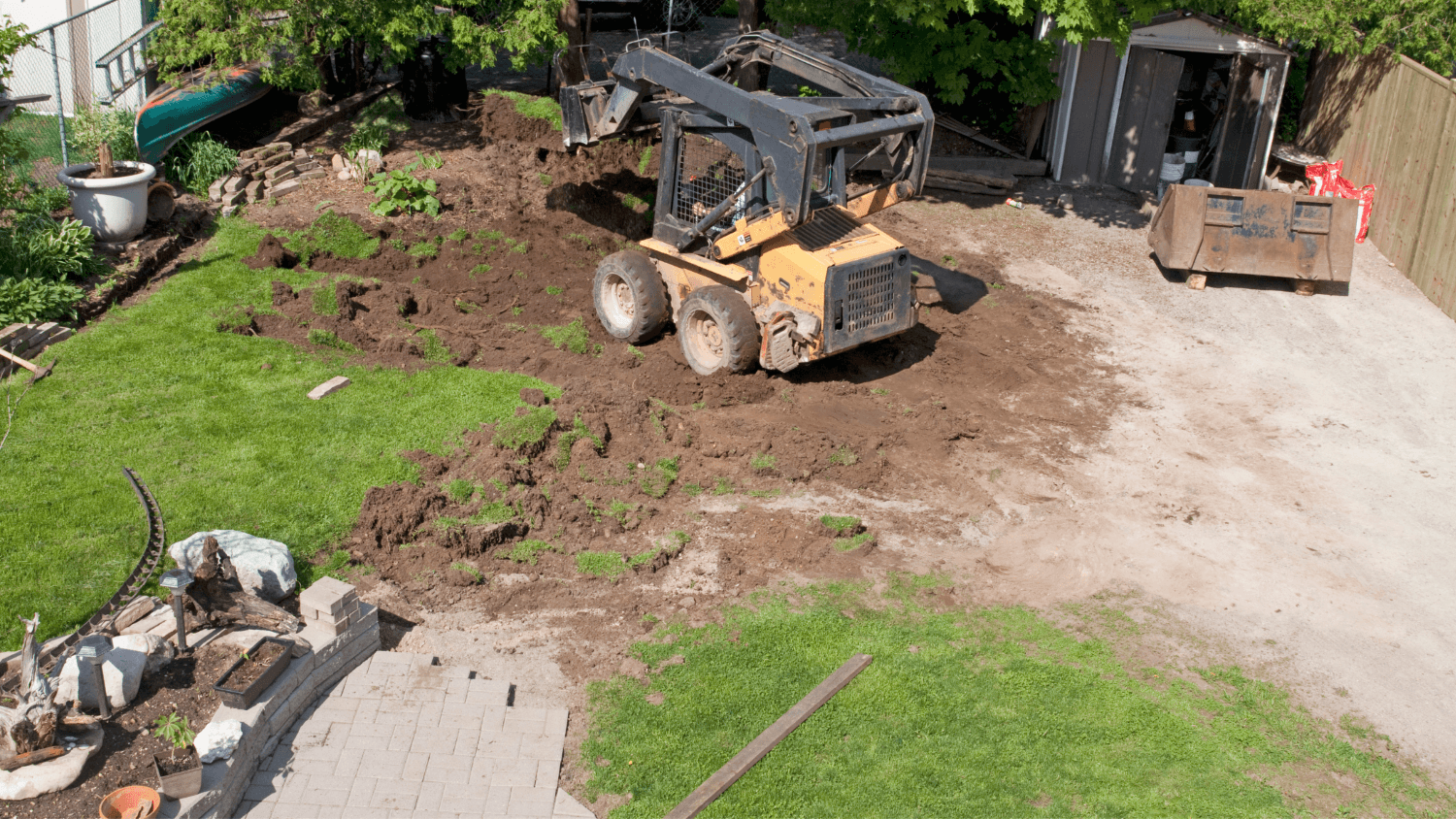
Electricity lines and gas cables may be underground beneath your lawn or driveway.
Before digging:
- Call 0800 B4UDIG (0800 248 344) to locate underground power or gas lines on your property.
- Don’t dig where cables or pipes are buried.
- Using heavy machinery (e.g., rock breakers or excavators)?
- Always hire a professional to complete the initial digging if underground services are nearby.
3. Look out
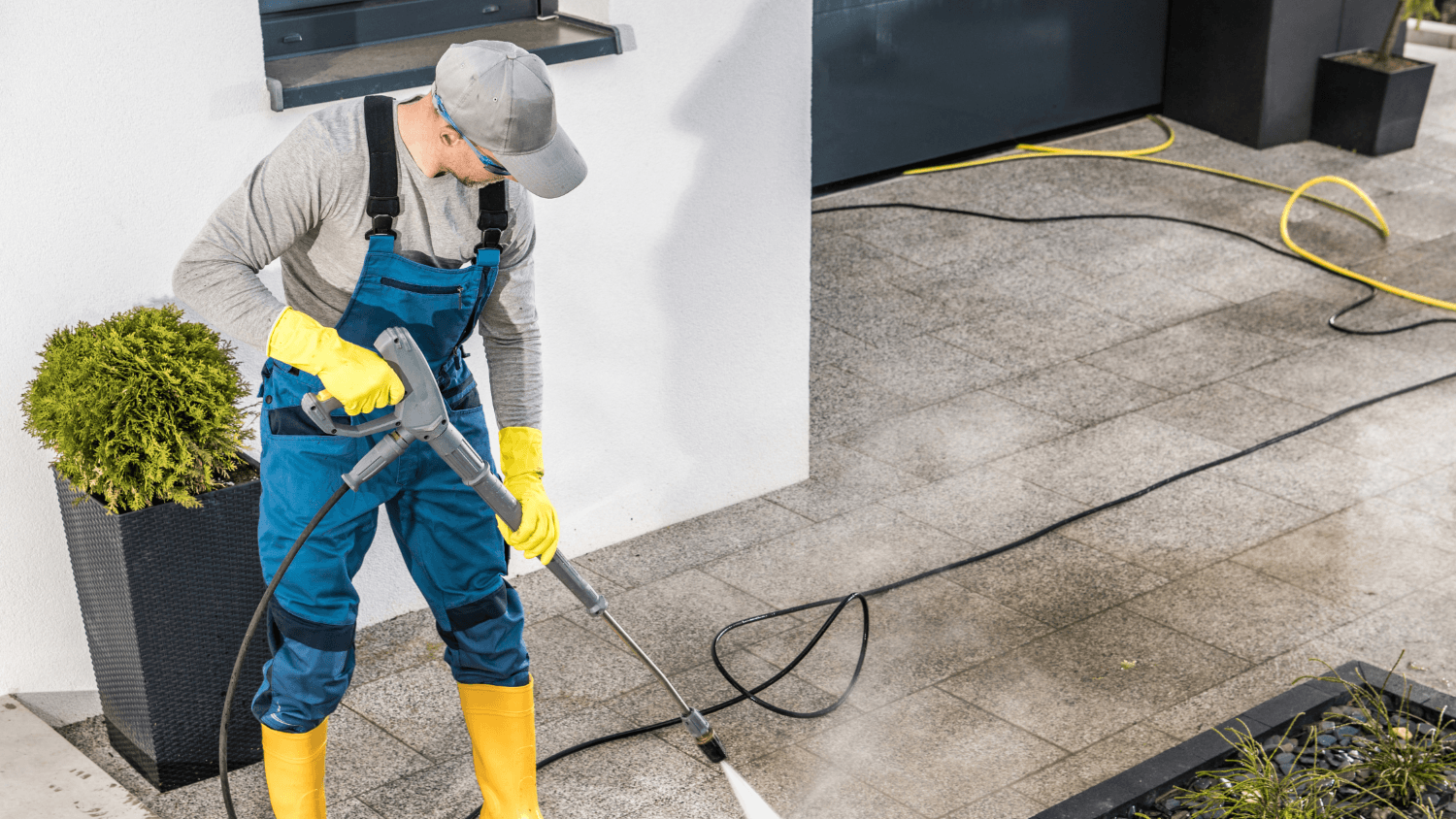
Water and electricity don’t mix. Whether you’re painting the house or using a garden hose, stay alert to avoid electric shock.
When working around water:
- Switch power off at the mains before using water near power outlets.
- Use a residual current device (RCD), they’re widely available at hardware stores and shut off power if a fault is detected.
- Never let appliances, cords, or plugs get wet.
- Use waterproof exterior plugs for outdoor use.
- If putting up outdoor lights:
- Choose low voltage products that are designed for the outdoors.
- Always connect them via an RCD for extra protection.