Connect your solar, wind and vehicle-to-grid.
Connect your distributed power generation
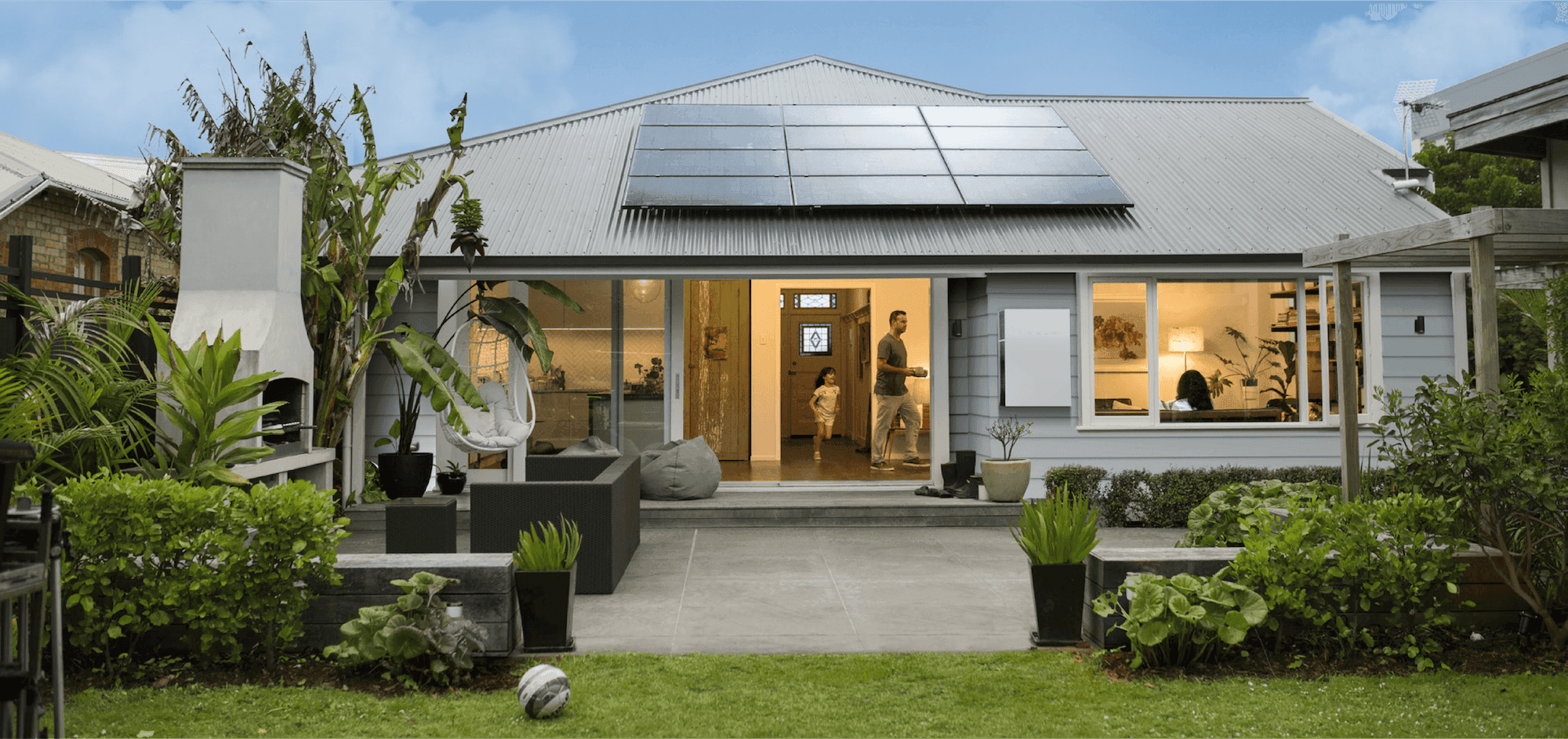
Dynamic Distributed Generation (DG) export connections are now available (from 11 May 2026)
From 11 May 2026, Vector is introducing Dynamic Distributed Generation (DG) export connections, enabling eligible single-phase customers to export up to 10kW.
We are currently in the process of implementing a Dynamic Export Management System. Once this system is live and connected to your inverter, your export limit will be dynamically adjusted over the internet based on what the network can safely accommodate at the time. This will help ensure the network continues to operate safely and reliably, while allowing as many customers to export as much solar energy as the network can support.
Your export limit only affects how much electricity can be exported to the network, it doesn't affect how much solar energy your system generates or how much electricity you can use within your home.
To be eligible for dynamic exports, your inverter must comply with the New Zealand standard AS/NZS 4777.2 and support secure communications (CSIP capability). For more information please see our Dynamic Distributed Generation (DG) Export Connections FAQs here
Distributed power generation refers to a variety of technologies, such as solar panels, wind turbines and bi-directional electric vehicle charging e.g. vehicle-to-grid (V2G) that generate electricity and are:
- Connected, or proposed to be connected, to our network; and
- Capable of injecting electricity into our distribution network.
Usually, when excess electricity is not used, it is passed back into the electricity network. This has a wide range of implications, including safety, network performance, service quality, investment in the network and commercial agreements.
The allowable voltage operating range at the customer point of connection has now been expanded to 230V +/- 10%.
What does this mean for distributed generation?
The settings specified for all systems before these changes have a voltage response which will curtail and even disconnect the inverter within the normal operating range of the expanded voltage band.
As such we recommend that all existing installations update their voltage settings to ASNZS4777.2:2020 ‘Australia A’. Similarly all new installations should also use the ASNZS4777.2:2020 ‘Australia A’ settings. If the system has a secondary protection device (typically for legacy installations of 30kW+), these settings will also need to be updated. We are in the process of updating our standards to reflect these changes.
Therefore, you must let us know when you are:
- Connecting this type of power generation technology to our network
- Increasing the capacity of an existing power generating system
- Removing an existing power generation system from our network.
If your generation is to be connected to Vector’s network, then it must comply with our requirements.
Distributed generation is governed by the Electricity Industry Participation Code 2010 (the Code). The code sets out the rules for how you make an application to connect distributed generation to our network, how we process this application and your rights along the way.
The types of applications are for: