Copper theft puts communities at risk as crews respond to rising incidents
17 September 2026
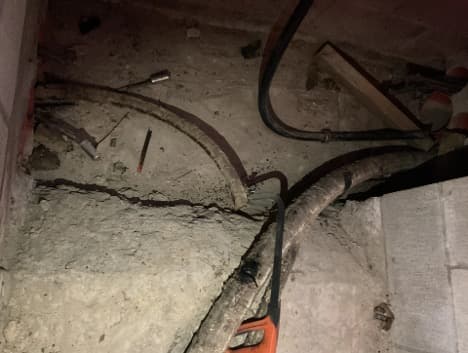
Copper theft on Auckland’s electricity distribution network has risen dramatically over the past 12 months, with crews responding to approximately 630 incidents over the same period.
Vector’s General Manager for Health and Safety, Rachel Robertson, says copper theft not only puts thieves at risk, but it also exposes members of the public to serious injury or even death from electrocution.
“When live cables and earthing equipment containing copper are cut, removed or damaged, our crews can be left dealing with not only the repairs but unsafe working conditions.”
“A damaged neutral wire can also cause sustained voltage issues which can damage appliances in customers’ homes including heat pumps, electronics and other equipment,” she says.
The broad impact of rising copper theft is illustrated by repeated attempts to steal a live cable supplying a critical facility in Auckland.
The cable was damaged in two separate incidents over five months, although both theft attempts were unsuccessful. The combined repair cost is estimated at almost $500,000.
Both incidents also caused significant disruption. Because the cable was located near a busy motorway, traffic management was required to allow crews to safely access the site and complete the repairs.
Vector General Manager Electricity Operations and Maintenance, Marko Simunac, says copper theft can also cause power outages and divert crews from planned work as emergency repairs take priority.
“Every dollar and every hour spent repairing or replacing stolen equipment is time and money that can’t be spent on investing in the network.”
Vector is urging the public not to approach or confront anyone they suspect of stealing copper.
Suspicious activity around electricity equipment should instead be reported to the Police by calling 111 if it is happening now, or 105 if it is after the fact.
As copper theft rises, it’s important to remember that each incident creates a risk that someone could touch unsafe electrical equipment, while also shifting crews and resources away from work that benefits the wider community.